
100% GRASS FED.
ROTATIONALLY GRAZED.
REGENERATING THE LAND.
FEEDING THE PEOPLE.
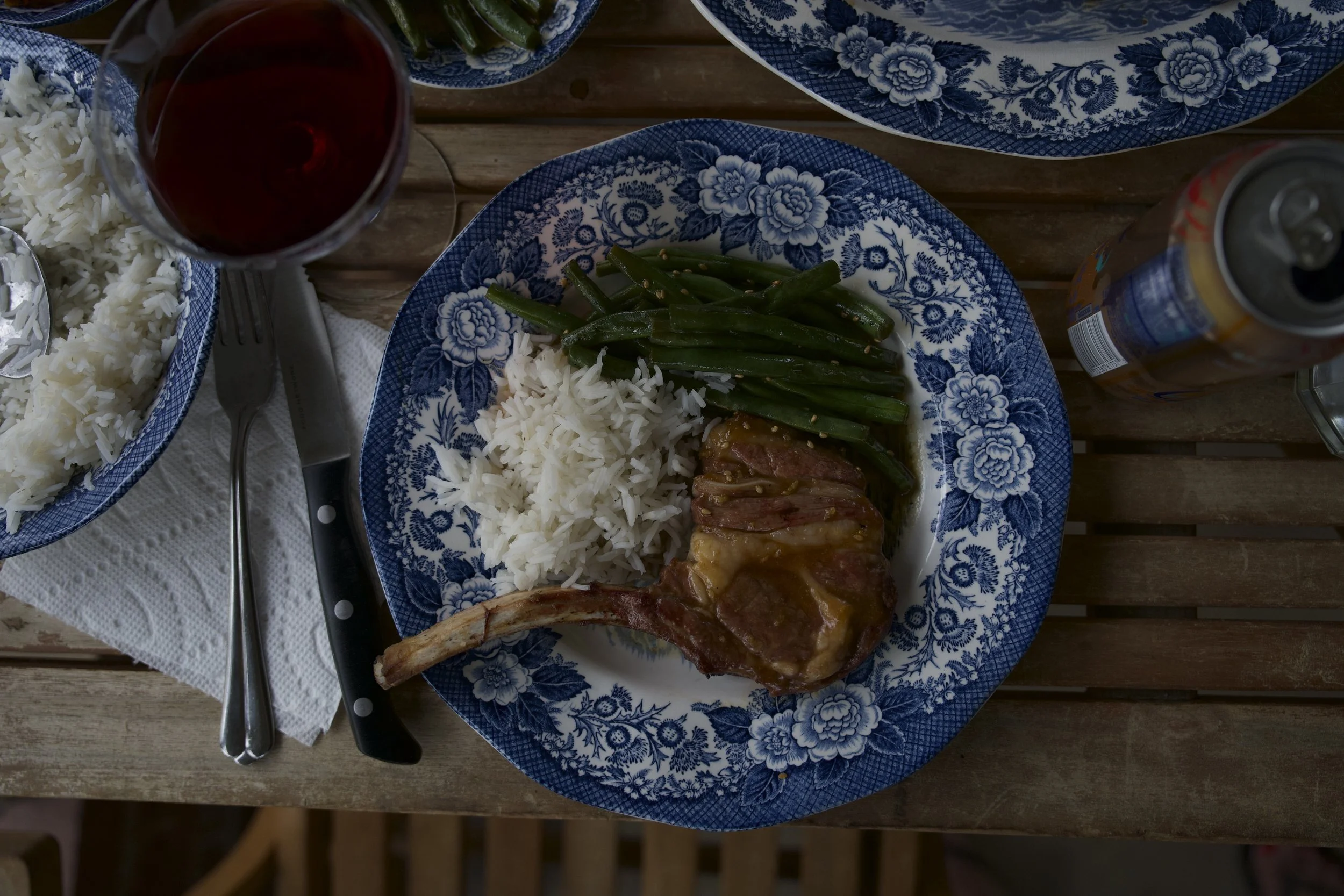
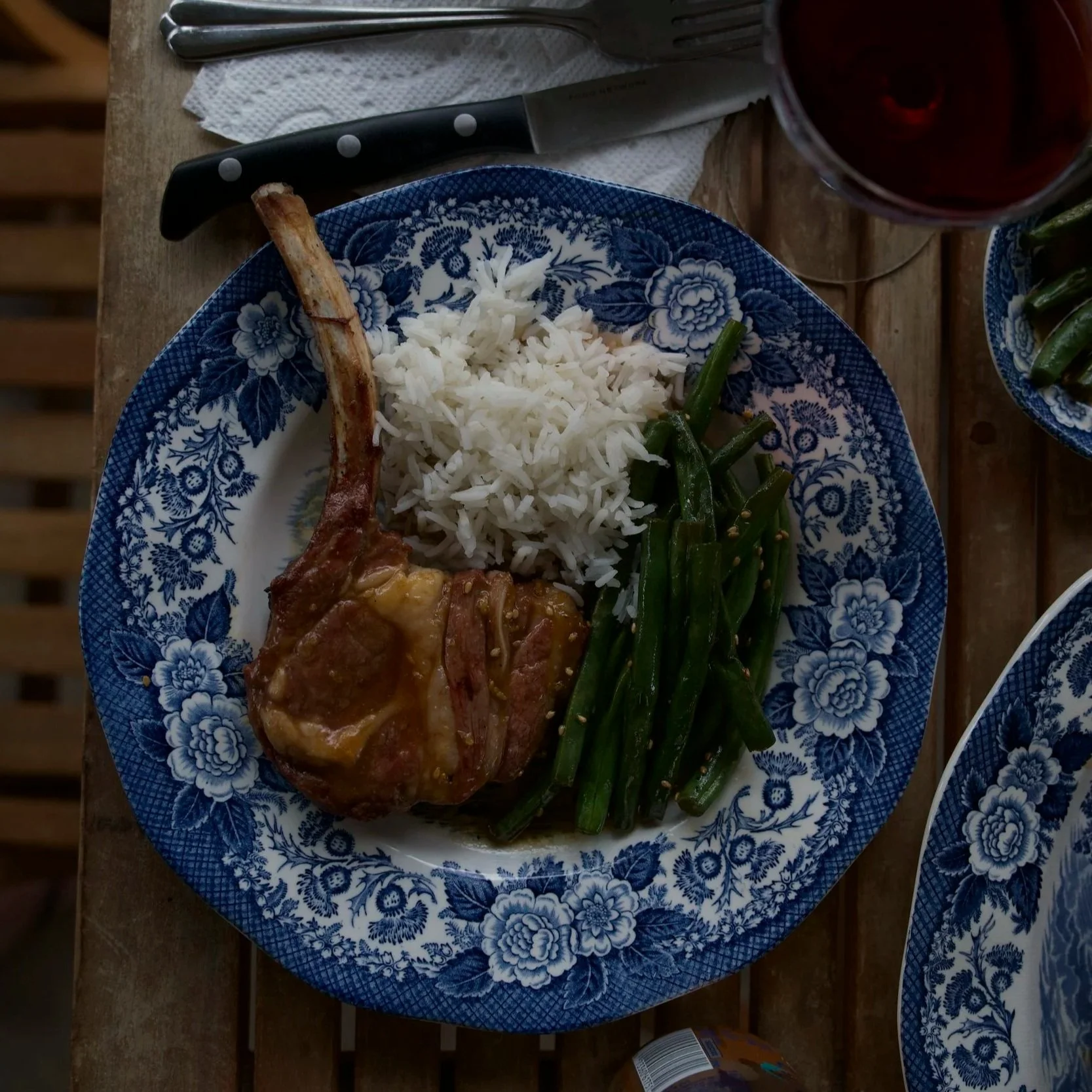
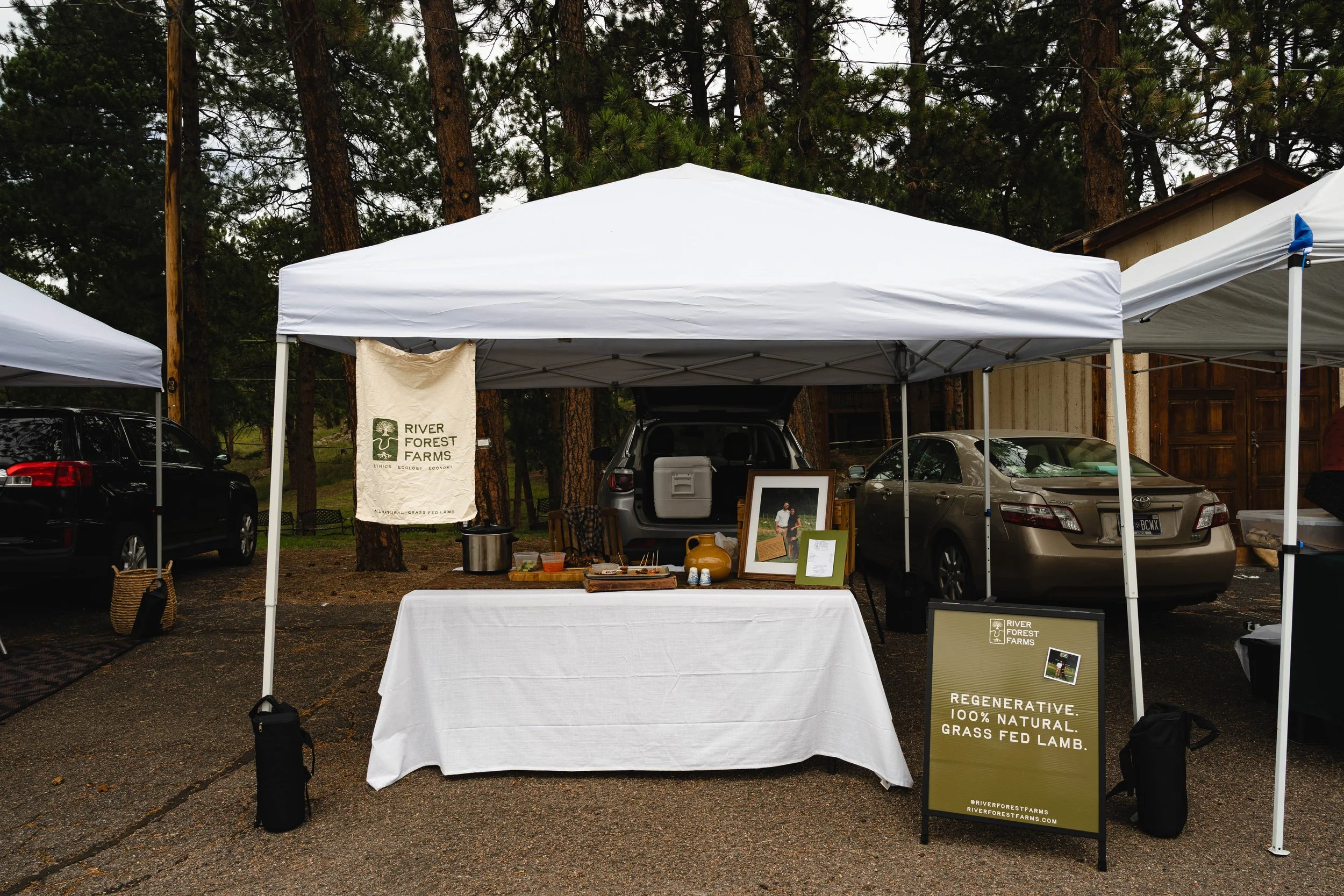
River Forest Farms is officially in the Rocky Mountains! Catch us at the Original Evergreen Farmers Market on the following dates:
Saturday, August 1st - Tasting Samples: Mediterranean Meatballs
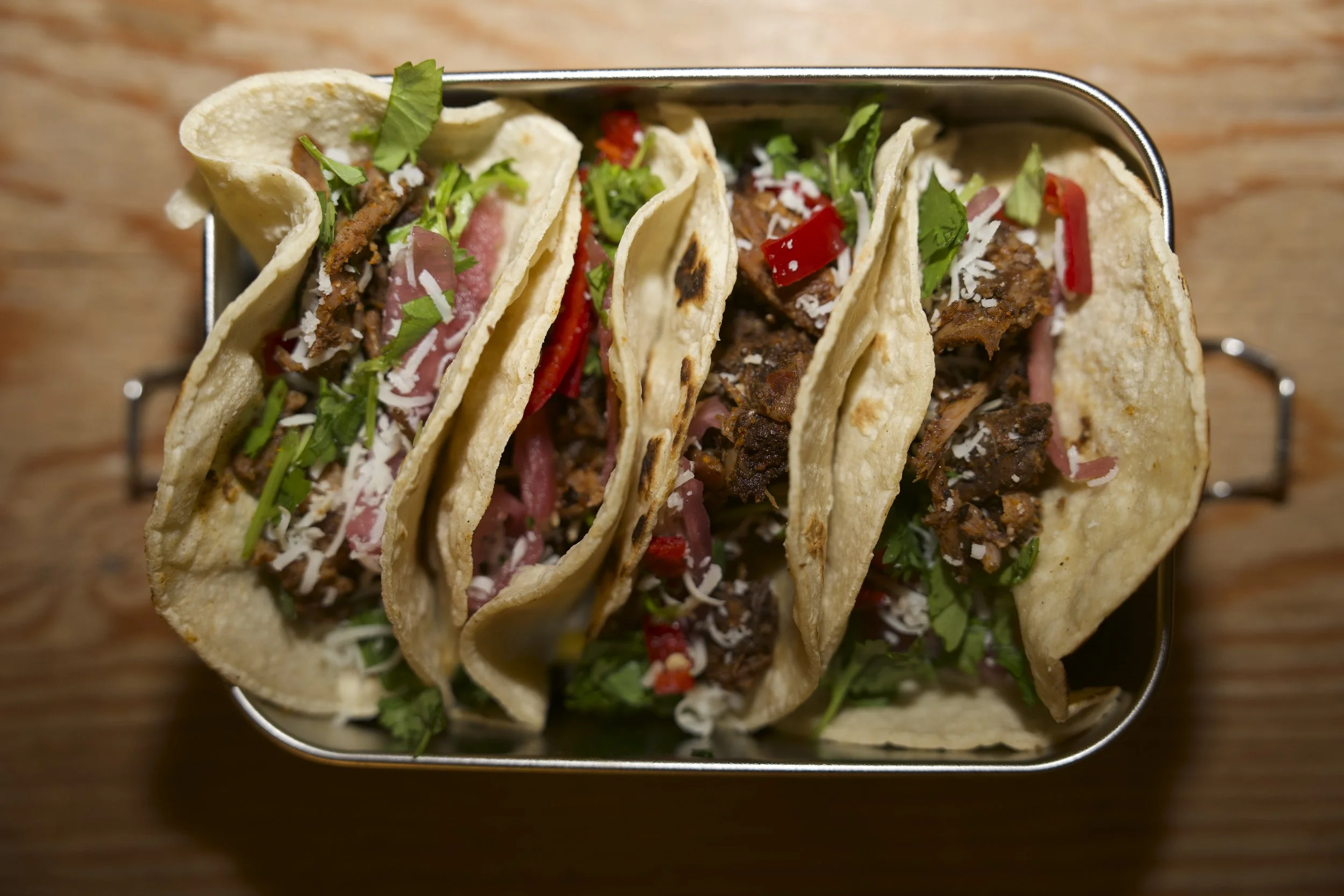
Saturday, August 22nd - Tasting Samples: Latin Lamb Nachos
Saturday August 29th - Tasting Samples: Vietnamese Lamb Skewers
Tuesday September 1st
Tuesday, September 8th
Tuesday, September 15th - Lamb Vindaloo
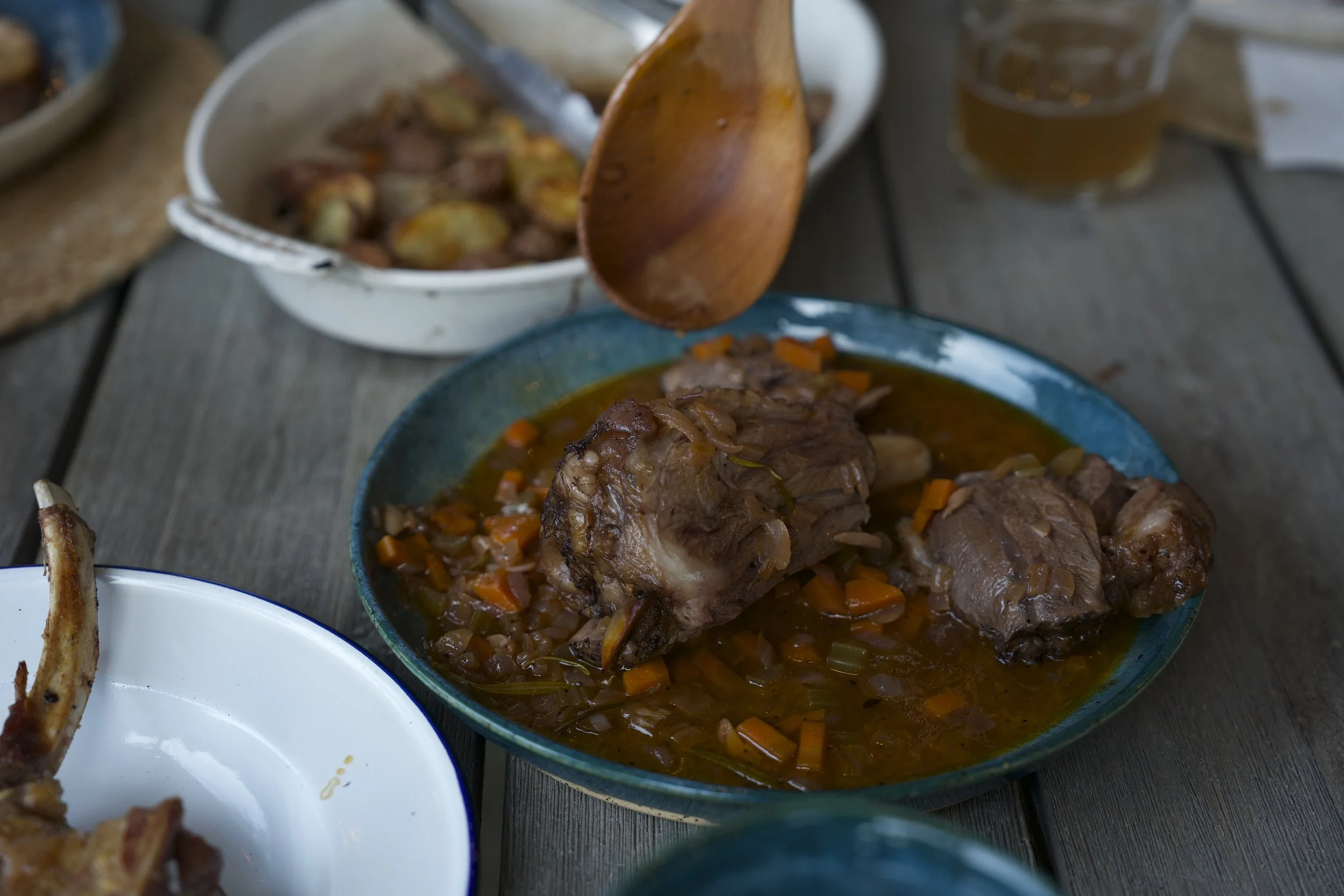
Tuesday, September 22nd - Lamb Bone Broth
Tuesday, September 29th - TBD
Colorado Updates
Pre Order Bundles Now!
Stock up on our lamb for the fall/winter season with our bundle options! Limited quantity available. In order to get free delivery, you must be qualified in these boundaries (Denver metro, Boulder, Colorado Springs and foothills (Evergreen, Conifer, Bailey, Golden, Morrison, Kittredge area)
Select Pick up at the Farm in the delivery options.
-
Lamb is one of the most flavorful and nutrient-dense proteins you can bring to your table. While it’s less common in many grocery stores, that’s not because it lacks quality, it’s actually quite the opposite. Lamb is naturally rich in high-quality protein, essential vitamins like B12, and important minerals such as iron and zinc.
Beyond nutrition, lamb offers a distinct, rich flavor that stands out from more common meats like beef, chicken, and pork. When raised responsibly, it can also be a more sustainable and humane choice.
We believe lamb deserves a place alongside other everyday proteins, both for its taste and the nourishment it provides.
-
Grass-fed lamb comes from sheep raised primarily on a natural diet of grass and forage, rather than grain-based feed. Sheep are ruminants, meaning they have a specialized stomach that allows them to efficiently digest and thrive on fibrous plants like grass.
This natural grazing diet supports both animal health and meat quality. Grass-fed lamb is often richer in nutrients like omega-3 fatty acids, vitamin B12, iron, and zinc, and it tends to have a more distinct, full-bodied flavor compared to grain-finished meats.
-
Lamb is a very versatile protein that works beautifully in a wide range of dishes, from simple weeknight meals to slow-cooked, special-occasion recipes. Popular cuts like chops, leg, and shoulder each have their own best uses.
Tender cuts such as lamb chops or loin are great for quick cooking—grilling, pan-searing, or roasting at high heat. More flavorful, tougher cuts like shoulder or shank shine when cooked low and slow in dishes like stews, braises, or roasts, where the meat becomes tender and rich.
Lamb pairs well with bold herbs and spices such as garlic, rosemary, thyme, cumin, and mint. A simple seasoning of salt, pepper, and olive oil is often enough to let its natural flavor stand out. It doesn’t hurt to also try and experiment with different cultural flavors!
Whether you’re grilling, roasting, or slow-cooking, lamb adapts easily and rewards simple, thoughtful preparation.
-
Our sheep are raised on open pasture where they have room to roam, graze, and behave naturally. They live outdoors in a low-stress, natural environment here in Indiana that changes with the seasons, just as it would in nature.
We focus on rotational grazing, moving the flock between pastures to ensure fresh forage, healthy soil, and sustainable land management. This approach supports both animal welfare and the long-term health of the land.
Sheep are social, grazing animals, and our system allows them to live in a way that reflects their natural instincts, out in the field, eating grass, and thriving in a calm, spacious setting.
-
Regenerative farming focuses on working with natural ecosystems to actively improve soil health, biodiversity, and long-term productivity rather than just sustaining it.
One of the key practices is managed or rotational grazing, where animals are moved between pastures. This allows grass to recover and encourages deeper root growth, which helps build richer, more resilient soil. As animals graze, they naturally return nutrients to the land through manure, supporting soil microbes that are essential for healthy plant growth.
Over time, these practices can increase organic matter in the soil, improve water retention, reduce erosion, and support a wider range of plants, insects, and wildlife. The result is land that becomes more fertile and resilient each year, rather than being depleted.
Overall, regenerative farming helps the land function more like a natural ecosystem, restoring soil health while producing food at the same time.
-
Regenerative grass-fed lamb typically costs more because it is raised in a slower, more land-intensive, and more labor-driven system than conventional livestock production.
Instead of relying on confined feeding operations or grain-based diets, the animals are raised on pasture and moved regularly through rotational grazing. This requires more land per animal, more hands-on management, and longer time for the animals to reach market weight. All of that increases production costs.
The higher price reflects where the money actually goes:
Land stewardship – maintaining and improving pasture health through regenerative grazing practices
Animal care – low-stress, pasture-based living with closer daily management
Labor – frequent animal movement, fence maintenance, and hands-on oversight
Feed costs – maintaining diverse, healthy pasture rather than relying on cheaper grain systems
Longer production time – animals grow at a natural pace instead of being finished quickly in feedlots
You’re not just paying for the meat, you’re supporting a system that prioritizes soil health, animal welfare, long-term sustainability of the land, and helping to reshape the food system for the present and future generations to come.