
Field Notes.
This page is our living archive. It's a seasonal logbook and lookbook of what we're growing, learning, and noticing in the fields. From soil to sky, we'll be sharing behind-the-scenes glimpses, hands-in-the-dirt reflections, and small discoveries that shape our farm life. We’re building this space with care and bringing our notes from the field to life.
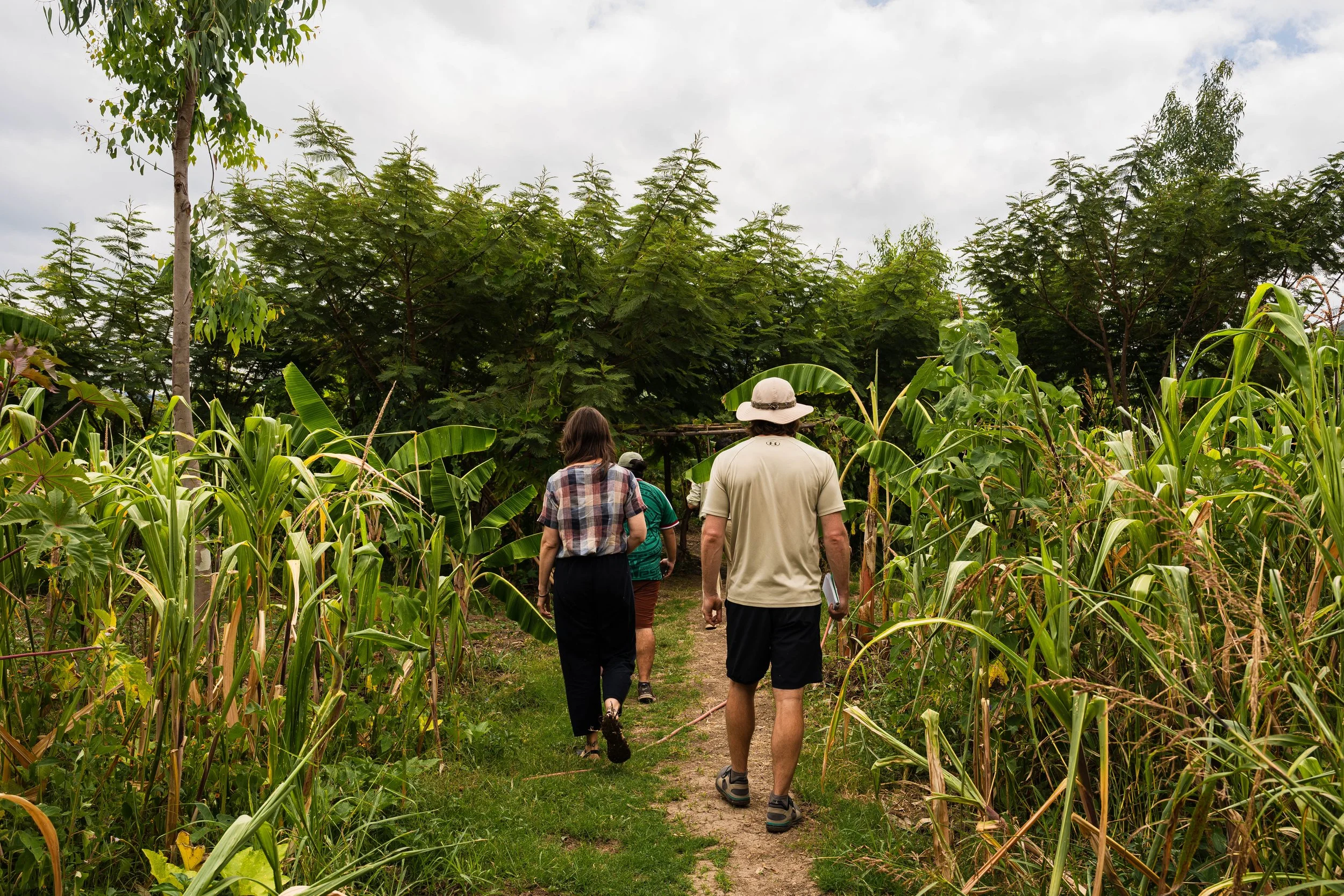
Tierra del sol
Farmer Christina
Farmer Christina here! Where do I even begin? It fees like this summer went by so fast! There are so many things that is happening with the farm, but one of the things I wanted to share first as part of my introduction is our recent trip to Oaxaca, Mexico.
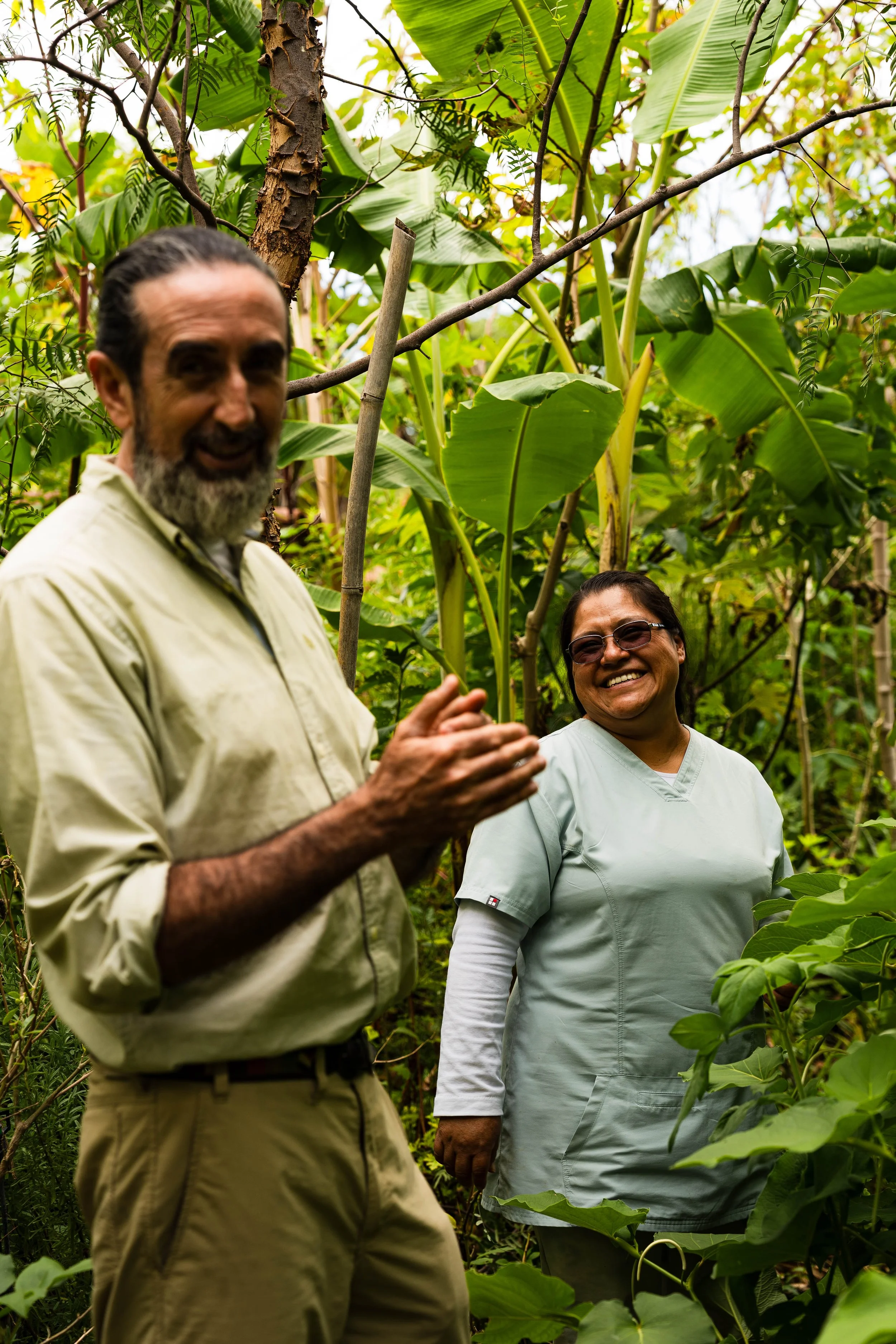
Farmer Adam and I recently came back from our trip to Oaxaca, and it was by far the highlight of our summer. Lots of surprising things occurred during the trip, but when we came across Tierra Del Sol, it was something I would never forget. Tierra del Sol (Land of the Sun) is a farm just east outside of Oaxaca city that focuses on permaculture and regenerative agriculture practices. It started in the late 90’s when a commercial Pilot name Pablo decided to shift his career to focus on regenerative agriculture and water conservation. Fast forward to today, it is now a thriving ecological space where the community takes care of the land through regenerative principles, putting our health first, and teaching bioregional education.
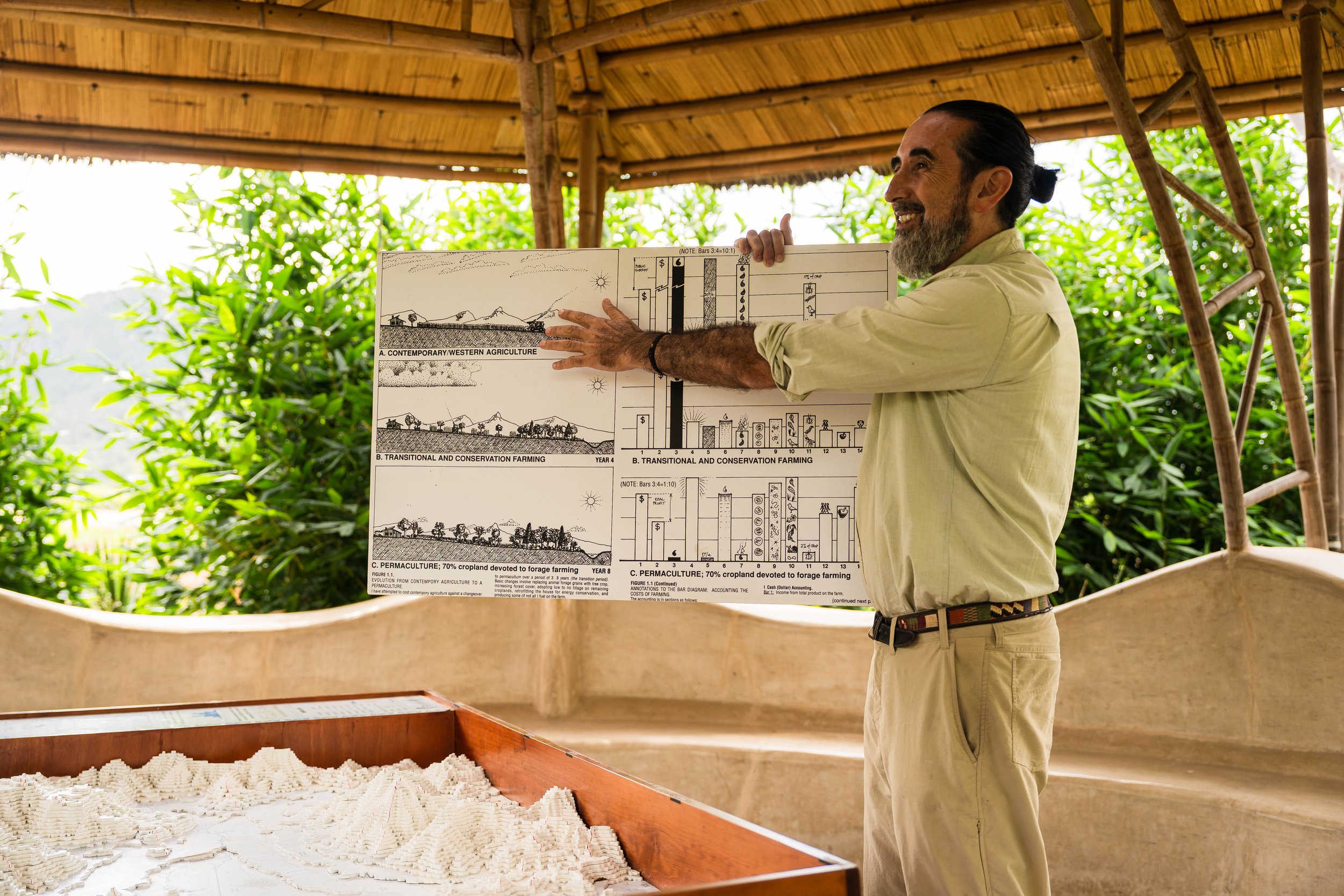
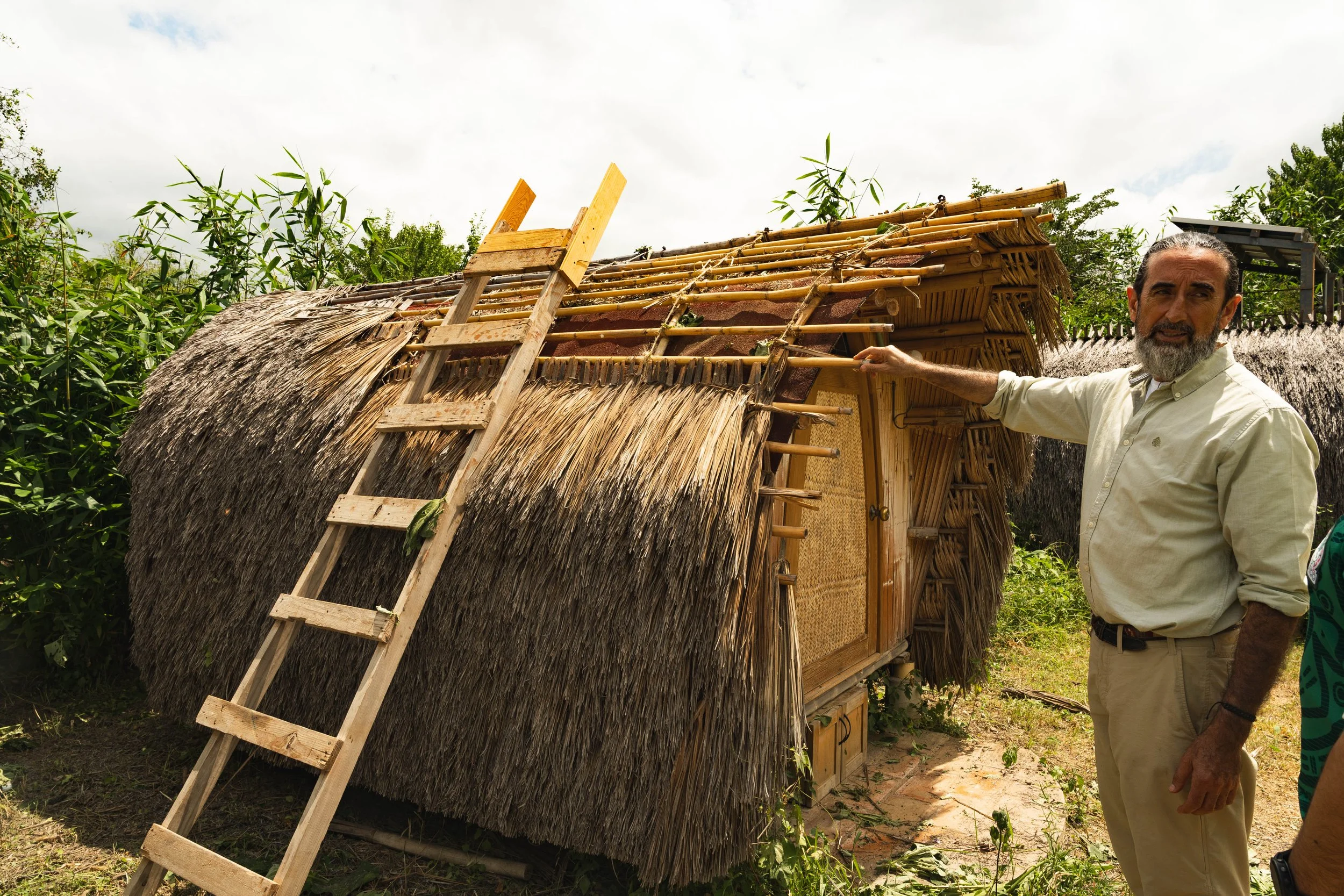
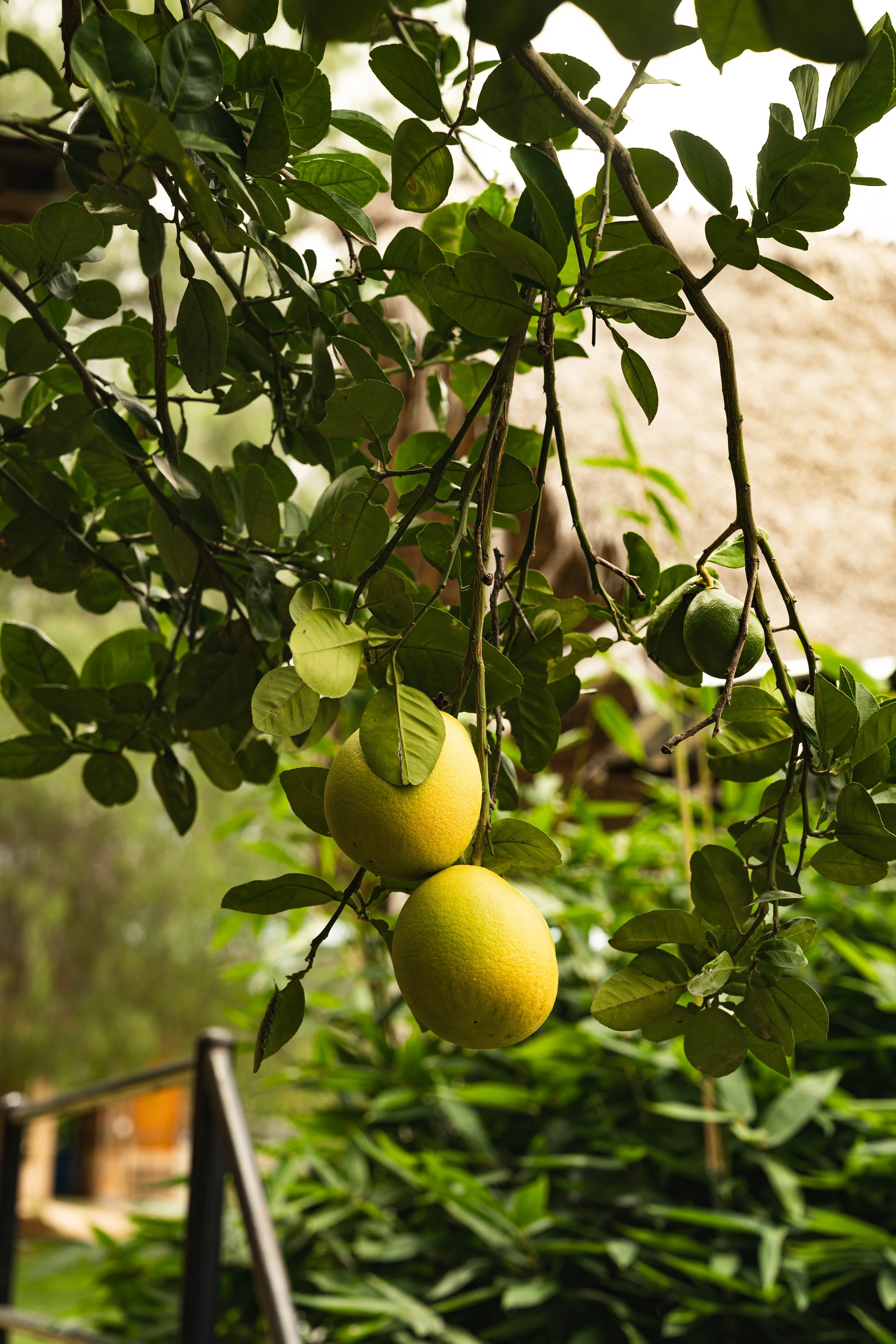
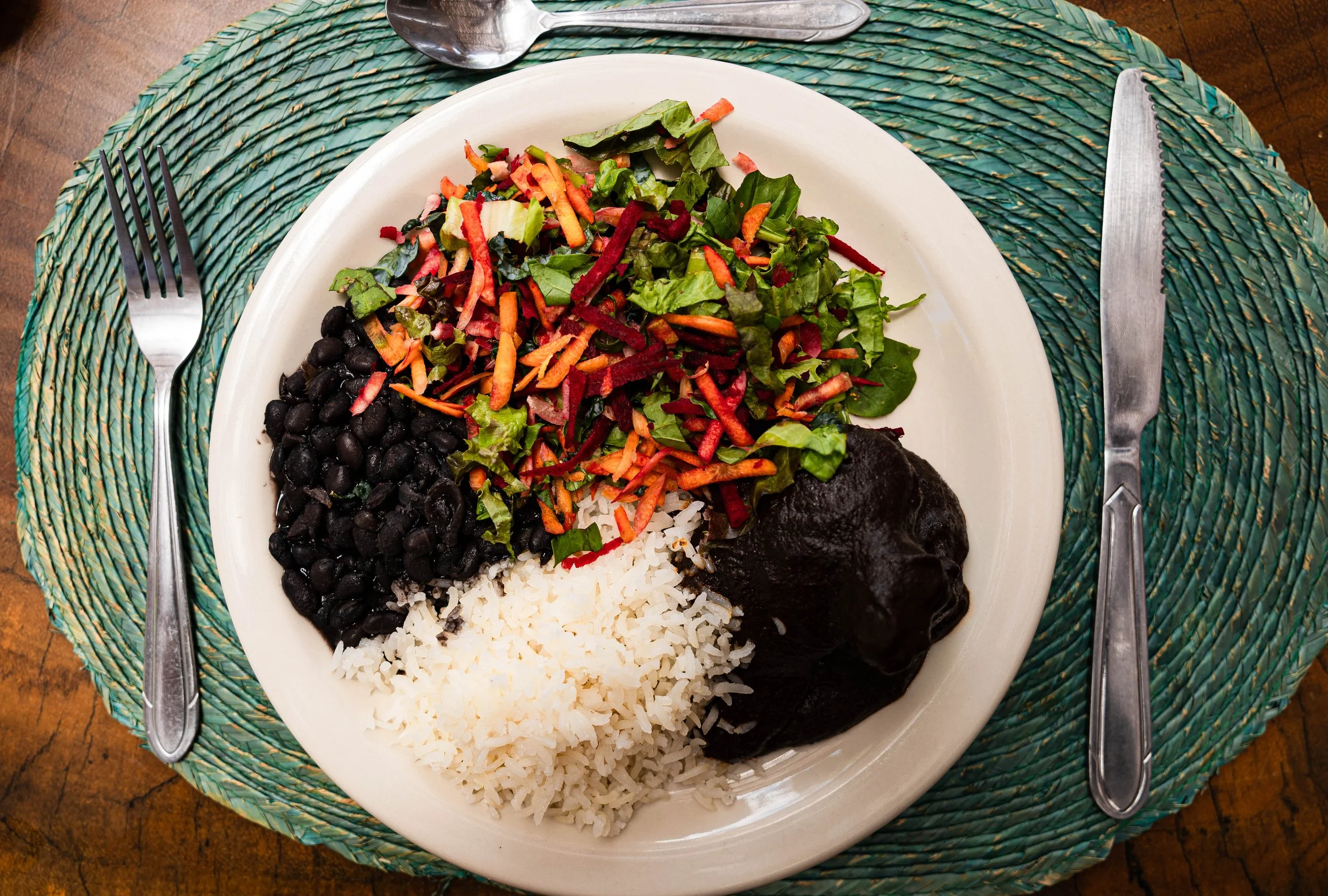
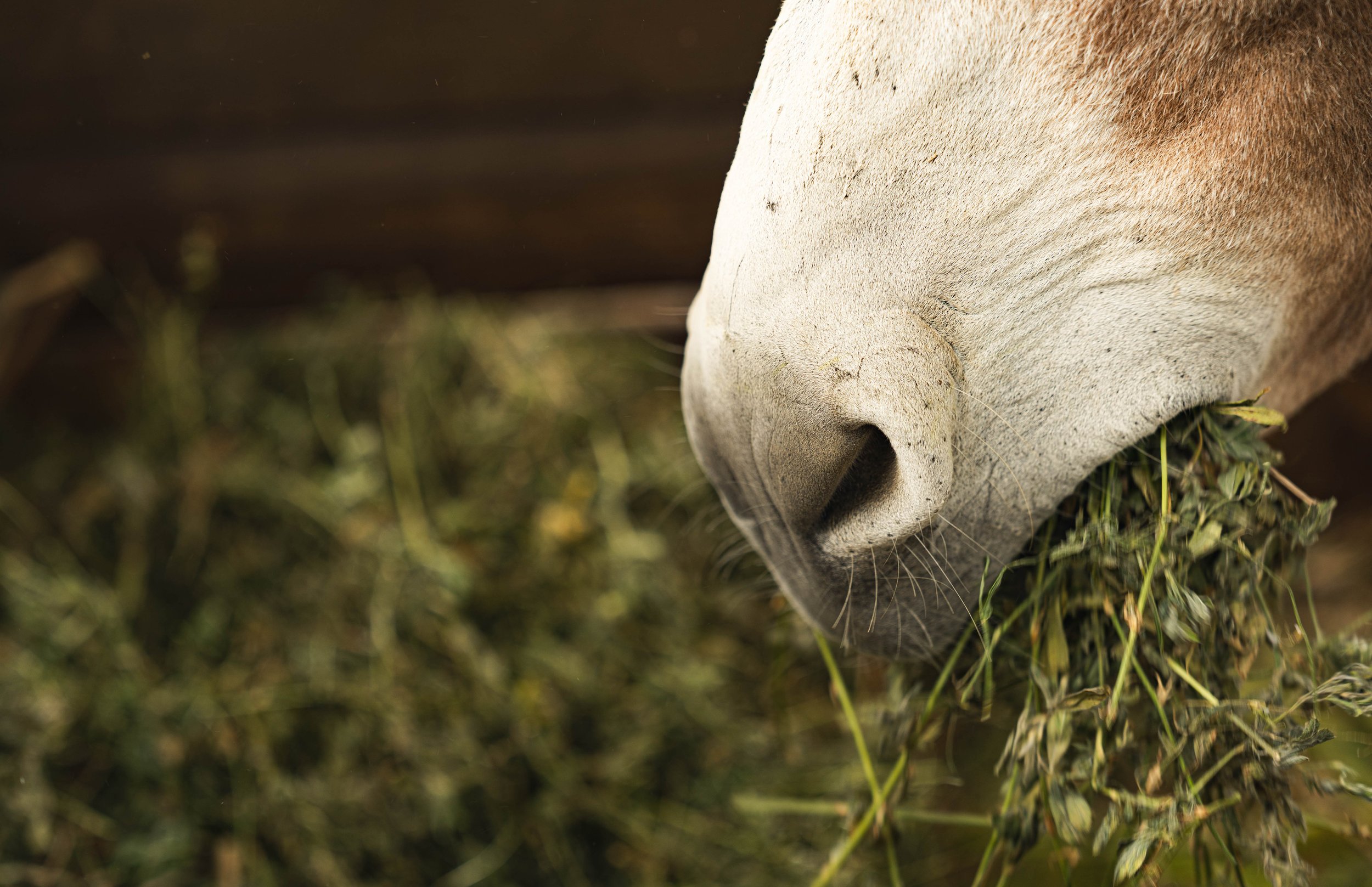
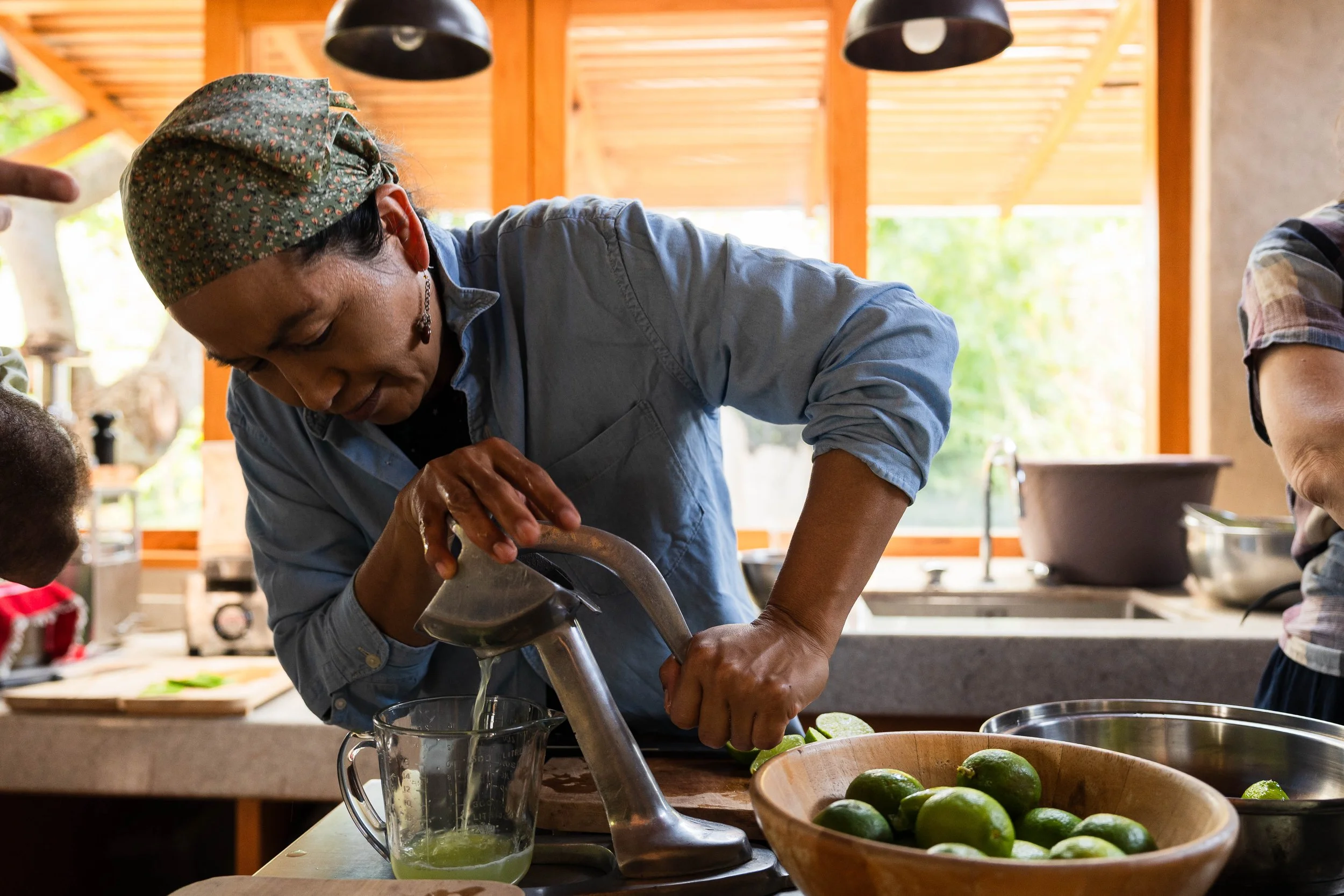
Adam and I had a private workshop with our educator, Miguel, and for someone like me who didn’t grow up with an agriculture background, I not only absorbed so much information but realized how much change we desperately need in our food system and the environment. And the proof to putting in the work and time is this place. When we first got to the farm, we were greeted with the workers and landscape of the space. Compared to the other parts of the Central Valley region, the ecosystem at the farm is thriving with biodiversity of plants and organisms. The first hour was Miguel introducing the farm, what regenerative means, why it’s important, and how we need to make this change. Once we had a general understanding of what Tierra Del Sol was about, he took us on a tour through the grounds where he discussed the different gardens, the livestock, ecological architectures, medicinal drinks and food made from the garden, and at the end we were given a delicious meal. People in this community are the reason why places like these exist. At the end of the day, Tierra Del Sol “want(s) to contribute to the creation of a new culture of care and respect for all living beings, in close cooperation with nature.”
For more information about the farm, workshops, learning experiences, check out:
summer, logging, and new partnerships.
Farmer Adam
Summer is in full swing at the farm as temperatures rise and the days get longer. We have been blessed with plenty of rain, keeping our pastures green and lush despite some unwelcome flooding in the basement. The transformation is incredible to witness. In less than two years we have seen this field transition from decades of row crop production to a beautiful, biodiverse perennial pasture sustaining the lives of our sheep, wildlife, and insects. This instills a sense of confidence that we are on the right path as we look to expand our operation.
Just across the hill we recently wrapped up a large logging operation as well. This is the first step into doubling our grazing capacity by adding 14 acres of silvopasture. We worked with forester Tom Thake (Peace of Earth LLC) from Santa Claus to ensure that we kept the long term ecological health of our land in mind as we harvested this select cut of timber from both steep forest and low lying savannah. Mark Morin (Land of Indiana Inc) from West Baden Springs performed the logging operations efficiently and with respect to our plans and land. We are happy to recommend both for any forestry or logging services you may need! The profits will be reinvested back into the farm to help us regeneratively scale and diversify our operation.
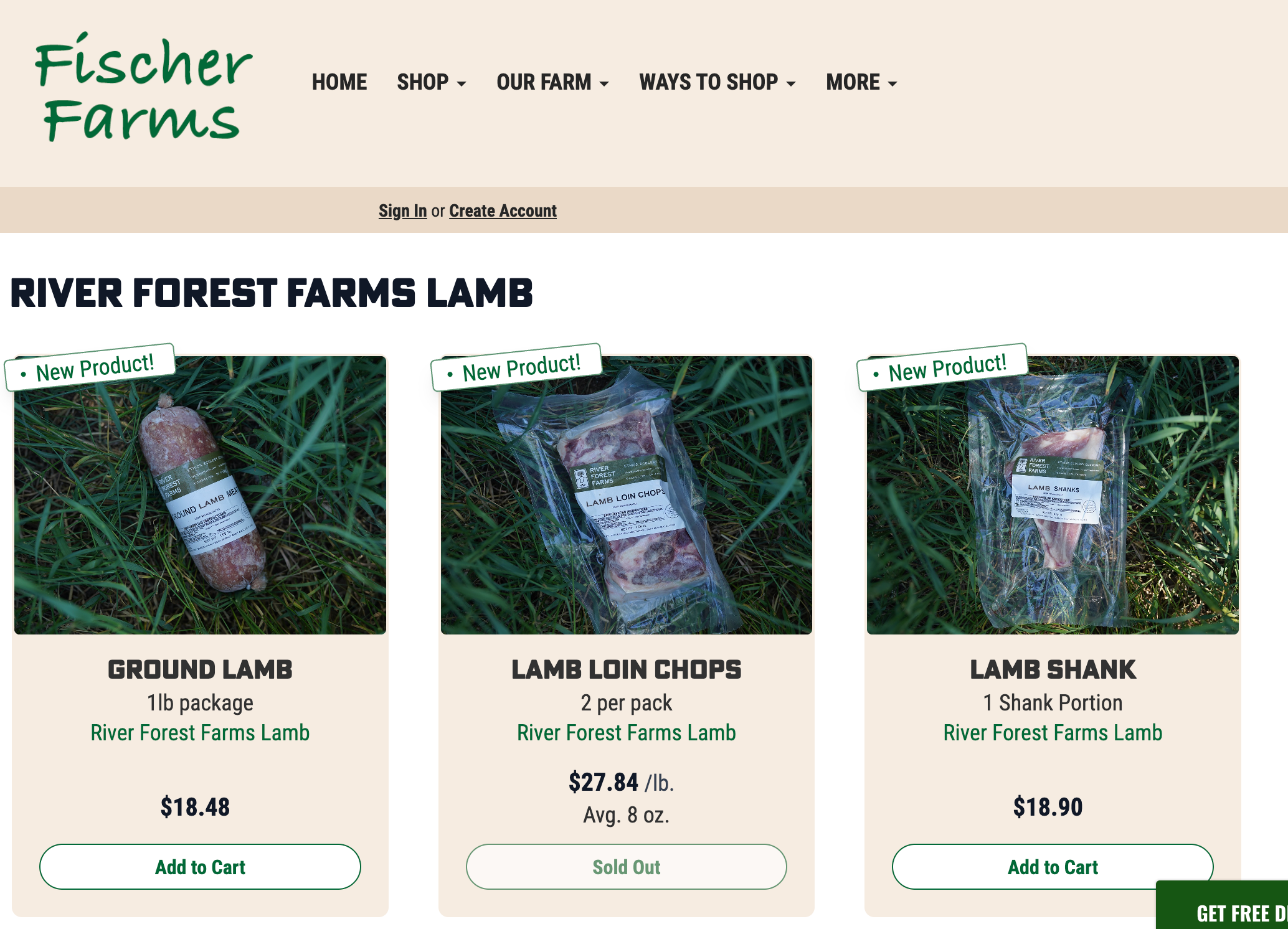
We are also very excited to announce a new partnership with Fischer Farms Natural Food in Saint Anthony! Fischer Farms are one of the pioneers of sustainable agriculture in southern Indiana with a large following and great reputation for premium, locally-raised beef, pork, poultry and now River Forest Farms lamb. This partnership will provide a new avenue to sell our delicious 100% grassfed lamb directly to consumers by working with an organization that already has a robust logistics system in place. Check it out at https://ffnatural.com/store/lamb. Of course you can still find our products at Perry County Grows in Cannelton, Bloomington Farm Stop Collective in Bloomington and on our website as well!
co-op grocery shopping is the new thing.
Farmer Adam
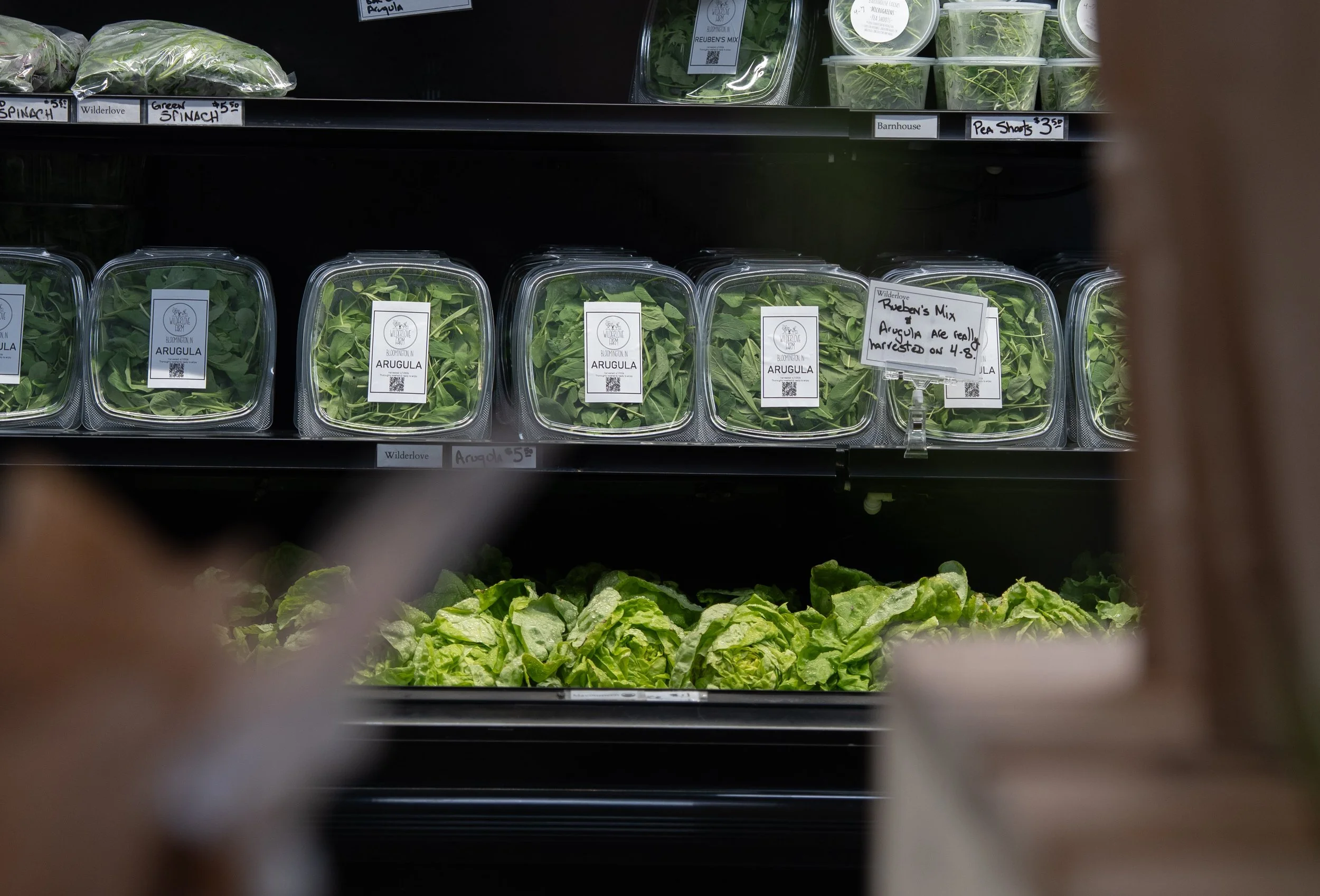
One of the most interesting aspects of agriculture that seperates it from other industries is the wide adoption of the cooperative as a business model. Almost every single American farmer is a member of or does business with a cooperative. The cooperative model is inherently different from the corporate model of business which dominates most industries across the world. In a cooperative, the most important stakeholders of the business (employees and customers) actually own it! This has the effect of aligning the financial interests of the company with the desires of its most important stakeholders while always bringing their concerns to the forefront. Whereas in a corporation - nameless, faceless, Wall Street investors who do nothing more than look at numbers on a spreadsheet have the power to massively impact how the business operates often to the detriment of employees and customers. The cooperative business model is inherently more ethical. That is why we are seeking to become members of businesses like these in order to sell our grass fed lamb. And on that note, we have an exciting development to announce soon, stay tuned!
Spring Flings at the Farm.
Feb 23, 2026
Farmer Adam
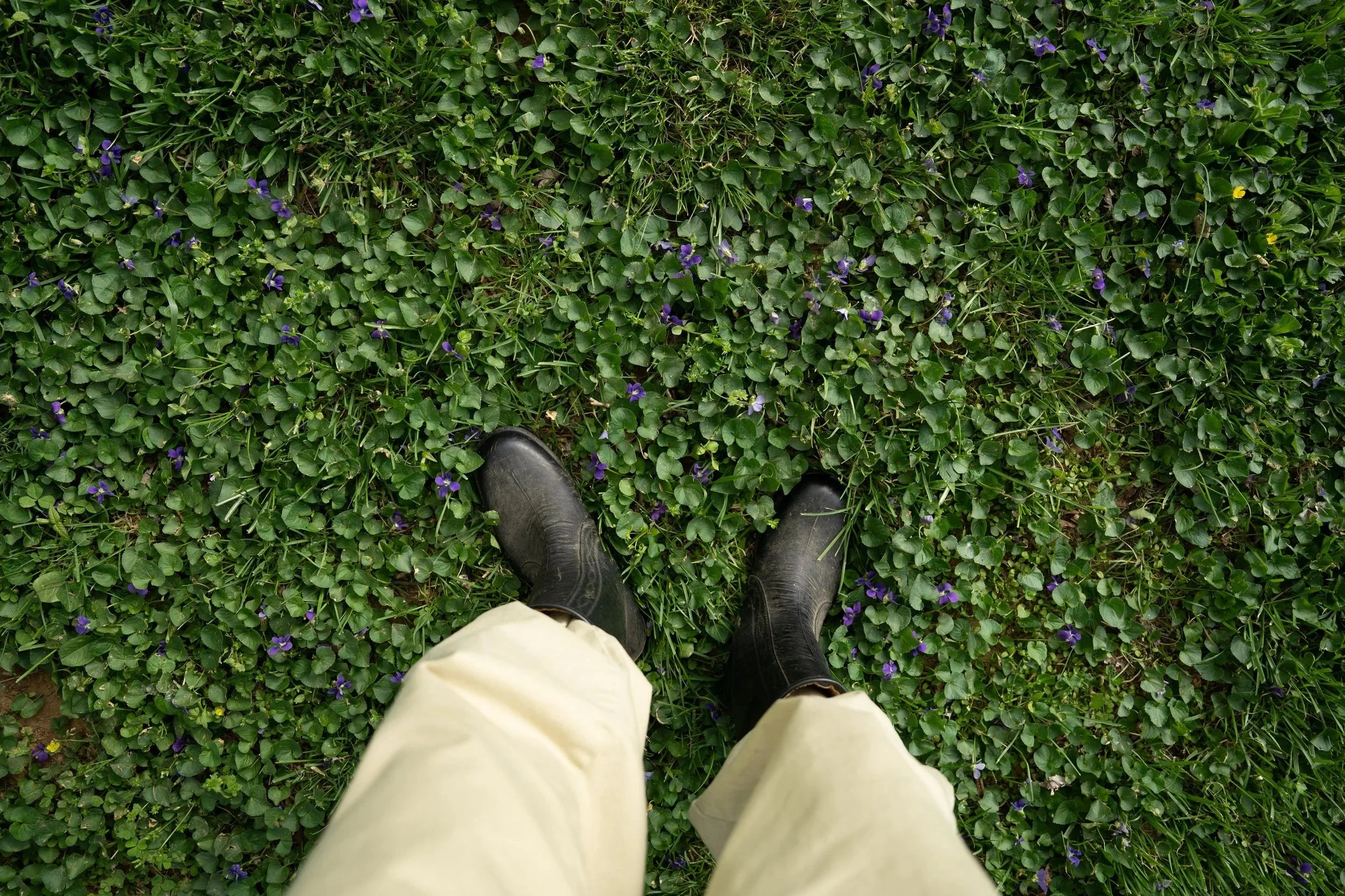
Throughout my career in agriculture, the end of February has marked an exciting time. I can feel the anticipation for Spring building as the last month of winter yields to longer and warmer days. This building of energy takes on a whole new level of expectation now that we have our own farm. The mind races to ensure every preparation is on schedule while the body yearns to end its winter dormancy and head outside. This year our focus is on building production and sales capacity while diversifying our operation for the future. With that in mind, I would like to share some of the activities we are looking forward to this Spring at River Forest Farms.
Over the past 18 months we have been transitioning a twelve acre field on the west side of our farm from decades of conventional row crop farming to biodiverse perennial pasture land for rotational grazing. We began this process by planting a cover crop of cereal rye immediately after the last corn crop was harvested in October 2024. We allowed this rye to grow through the first half of 2025 and mowed it down once it reached full maturity. This had the beneficial effects of covering the ground with a mat of straw to prevent weed germination and retain soil moisture while also spreading the seeds for growth in the future. Last October 2025 we seeded a biodiverse perennial pasture mix that included chicory, red clover, fescue, orchard grass and perennial rye. We saw good germination of this mix last Fall and are anxiously awaiting to see how it grows this Spring given the ample moisture we have received this Winter! Finally, this past December, we installed permanent exterior fencing around this field so we are ready for rotational grazing this Spring.
The east side of our farm is also readying for transition, albeit of a different nature. Here our land begins with a slow and steady decline towards blank creek through thick brush and low lying woodlands, before rising back up steeply to Hoosier National Forest land on the other side. All in all this adds up to around 75 acres of forested land, another valuable renewable resource we are blessed to have. It has been over 20 years since my grandfather last had a select cut done in this area, which means we are due for another timber harvest. As with the farm, we have taken the same ‘ecology-first’ approach to this project by working with a certified forester to ensure the long term health and resilience of our forest land. Most of this area is too steep to ever be put into agricultural production, however the flatter 15 acres west of blank creek will begin its transition into silvopasture with this timber harvest. This is a type of productive agricultural land that keeps mature trees at a wide enough spacing to allow light penetration to the forest floor to produce viable forage. Silvopasture achieves a harmonious balance allowing productive hardwood, nut, and fruit trees to flourish while providing natural shade to animals grazing and foraging below.
Another major goal we have this Spring is to begin diversifying our farm by adding cattle for 100% grass fed and finished beef. Our plan is to start with a few cow-calf pairs which we will rotationally graze in the same group with our grass fed ewes. There are several benefits to multi species grazing which we have learned from our mentors at Steckler Grassfed in Dale. One is that these animals serve as dead end hosts for different parasites that affect one species but not the other, breaking the parasite cycle to increase overall health. Another is that sheep and cattle prefer different plants when grazing, ensuring a more complete utilization of pasture. Also, from a business perspective, this enables us to offer our customers a new type of nutrient dense and regeneratively produced meat while providing new income streams from the same acre. Feeding out and finishing cattle on grass does take more time as compared to the conventional feedlot model so we want to get started as soon as possible!
We are extremely excited and grateful to announce that we have been accepted as farmer-members of Bloomington Farm Stop Collective! This will be our first retail partner where folks in the Bloomington and Monroe County area will be able to find our 100% grass fed lamb for sale. I highly recommend checking out their store on Kirkwood Ave just west of downtown Bloomington whenever you can. They are a cooperative that is collectively owned by over sixty local small farmers in southern Indiana focusing on regenerative-organic production. They offer a variety of grocery products such as fruits, vegetables, dairy, meat, eggs, and honey while also selling prepared food, wellness items, and handcrafted goods. The store also includes a cafe with delicious baked goods, soups, sandwiches, and coffee. Everything about their operation aligns with our mission at River Forest Farms to provide people with nutrient dense, ethically produced food that heals and improves ecology while sharing the economic benefits collectively. Be on the lookout for another announcement from us as we close in on another retail partnership closer to home here in Perry County!
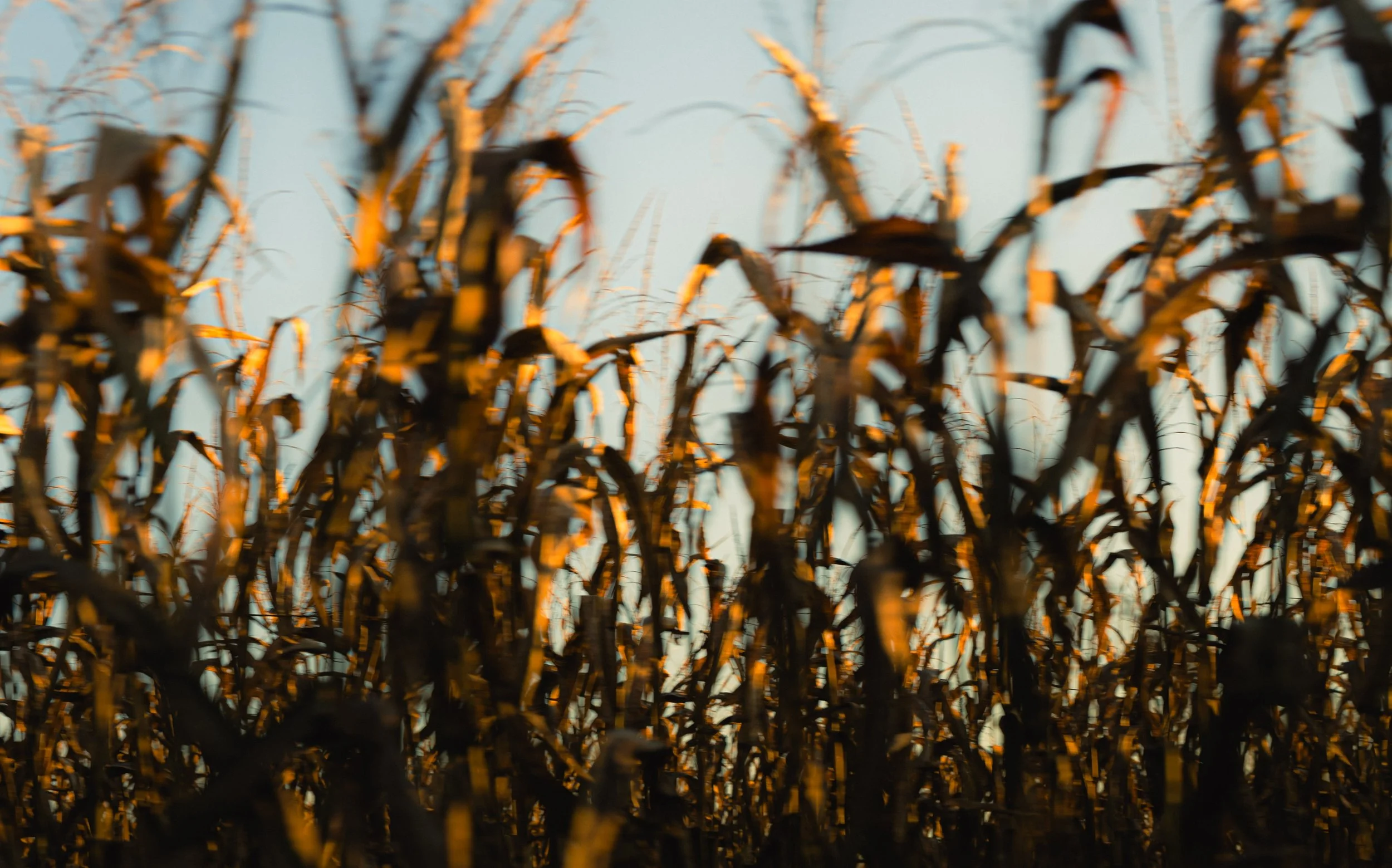
‘Regenerative Ag Can’t Scale’ is a Fallacy!
Field Notes from Farmer Adam.
January 26, 2026
Farmer Adam
Though I was not born and raised on a commercial farm, I have been involved in agriculture in one way or another for my entire life. From raising sheep for 4-H as a youngster, to a 13 year long career in precision agriculture and technology, I have always been fulfilled by a life dedicated to the pursuit of feeding humanity. While most of my career has been dedicated to supporting conventional row crop farming, about five years ago I began taking a critical look at how we grow food in the modern world, wondering if there was a better way. This sent me down the rabbit hole of what is commonly referred to as ‘regenerative agriculture’ - a term with as many definitions as there are proponents and critics.
Here is my definition. Regenerative agriculture aims to work in conjunction with the cycles of mother nature rather than trying to domesticate her to our own ends. It seeks to create an ethical framework that integrates plants, animals, fungi, and microbes on the same acre to not only diversify the ecology of the farm, but the economics of the farmer. Soil health is the foundation, and real soil health cannot be achieved unless we steward mutually beneficial cooperation between all organisms.
This essay is written firmly from the proponent camp, focusing on a singular argument that I hear echoed from critics time and time again. That argument boils down to something like, “regenerative agriculture sounds good and all, but it isn’t scalable and therefore can’t feed the world”. This argument is a fallacy, because the truth is, regenerative agriculture doesn’t need to produce at the level of our current industrialized system in order to feed the world.
Nearly half of the global population is now overweight or obese. 1 In western nations like the US, this figure is closer to 75% of its citizens.2 For the first time in human history, we are at a point where a massive proportion of people would be healthier if they ate less food. What is even more mind boggling is that poor and working class people disproportionately represent those who are overweight and obese.3 These facts point to the simple conclusion that we have been massively successful in producing an abundance of cheap calories to feed a growing planet. This outcome was not guaranteed, so I celebrate this accomplishment along with everyone in the conventional agriculture industry. But this reality fundamentally undercuts the argument that regenerative agriculture needs to maintain the same levels of productivity to feed humanity. It clearly does not.
Piggy-backing off this topic, I would like to touch on another often repeated refrain from my career in conventional agriculture. The idea that we need to constantly improve yields to feed a growing population. Mind you I have worked for the largest ag retailers in the world, so this narrative fit our sales goals hand in glove. While it is true that the global population is increasing, the annual rate of growth has been declining for over 60 years.4 The UN currently predicts that the human population will peak later this century (2080s) at 10 billion people, but in recent years it has been consistently revising its prediction for an earlier peak with a lower total as fertility rates fall faster than expected.5 In other words, the narrative that we must keep improving yields to feed a population that will be growing indefinitely is simply false.
At least one-third of all food produced ends up wasted for one reason or another.6 There are a myriad of causes for this all along the agricultural supply chain from the farm to the table. Poor harvesting, transportation, storage, and simply scraping food off the plate all play a significant role in this problem. One of the more depressing facts here is knowing that while we waste one-third of our food, one-third of humanity deals with at least moderate, if not severe, food insecurity.7 The vast majority of this insecurity is driven by conflict and politics such as what we have seen in Gaza over the past two years.8 Again, this issue has nothing to do with our agricultural production capacity whatsoever, we produce significantly more than enough food to feed everyone.
My last point rests on an idea that is still being fully fleshed out by science, but my gut says this may turn out to be the biggest variable of all. The more nutrient dense a given calorie of food is, the less overall calories one must consume to maintain health.9 The most compelling fact about this idea is that we can expect this effect to compound through all levels of the production chain. The more nutrient dense the soil is, the more nutrient dense the plants and fungi growing on it will be. The more nutrient dense the plants and fungi are, the more nutrient dense the animals foraging them will be. The more nutrient dense plants, fungi, and animals are, the more nutrient dense all the food stuffs derived from them for human consumption will be resulting in less consumption needed. There is mounting evidence pointing to this fact as a major distinguishable difference between genuine regenerative production (not the greenwashers who use it as a marketing term) and conventional agriculture.10 Every acre that converts to regenerative agriculture will result in a more nutrient dense and satiating ecosystem for all organisms within it, resulting in every organism achieving optimal health with less input – the dream of precision agronomists the world over will be realized.
In conclusion, the argument that “regenerative agriculture can’t scale to feed the world” is false at every level. It simply doesn’t need to as we already massively overproduce food for the global population in our current industrialized system. I also want to be clear that I am in no way, shape, or form conceding the point that regenerative agriculture is less productive per acre than conventional. This is only true if you are using a simplistic “bushels/acre” argument which leaves out the vast majority of the story. Once all the variables are accounted for, there is no doubt that regenerative agriculture will be more bountiful per acre as the goal of nutrient dense multi-species production and enterprise stacking is realized with less inputs where conventional agriculture focuses on the maximization of a single commodity. I do not begrudge any person or farmer involved in the conventional system as I still am myself, but my hope with this essay is to remove this critique from the conversation so we can move on to a more constructive dialogue as we all seek to improve the ethics, ecology, and economy of our food system.
References
1. https://www.who.int/news-room/fact-sheets/detail/obesity-and-overweight
2. https://jamanetwork.com/journals/jamanetworkopen/fullarticle/2843225
3.https://pmc.ncbi.nlm.nih.gov/articles/PMC6880978/#:~:text=Our%20findings%20indicate%20that%20as,needs%20for%20national%20health%20programs.
4. https://ourworldindata.org/data-insights/global-population-growth-peaked-six-decades-ago
5. https://www.un.org/en/global-issues/population#:~:text=Our%20growing%20population,and%20over%20will%20outnumber%20infants.
7. https://news.un.org/en/story/2024/03/1148036#:~:text=While%20a%20third%20of%20humanity,to%20the%20point%20of%20sale.
8. https://www.worldbank.org/en/topic/agriculture/brief/food-securityupdate#:~:text=Latest%20Food%20Security%20Data%20%E2%80%93%20December,price%20inflation%20remains%20moderately%20high.
10. https://pmc.ncbi.nlm.nih.gov/articles/PMC8801175/#:~:text=Although%20proponents%20of%20farming%20practices,chronic%20disease%20prevention%20in%20humans.